Imagining 299 Climate Intervention Futures
As the impacts of global warming intensify, climate intervention strategies are moving from the margins into mainstream debate. But how do people around the world imagine a future shaped by these interventions?
A new international study co‑authored by Professor Benjamin Sovacool sheds light on this question by exploring public perceptions of climate intervention futures across the globe. Published in Environmental Science & Policy, the research draws on an ambitious global foresight exercise involving 44 focus groups in 22 countries, evenly split between the Global North and Global South.
In total, 323 participants were asked to imagine the world in 2030 if climate interventions had become widespread. Their task was creative as well as analytical: each group developed imagined newspaper headlines, identified key actors, described major events, and outlined specific outcomes. Together, participants generated 299 distinct visions of the future.
“The broader futures held by the public about climate interventions are perhaps surprisingly diverse, involving phenomena as distinct as improvements in air quality, selling new lines of cosmetics, inducing widespread crop failure, resulting in mass opposition, to colonizing outer space or actively creating new beaches for tourism. To a fundamental extent, and given the deep unfamiliarity with some of these approaches, this exercise demonstrates how participants (from the general public) engaged with understanding and sense-making of how they relate a new, unfamiliar technology to their own lives.“
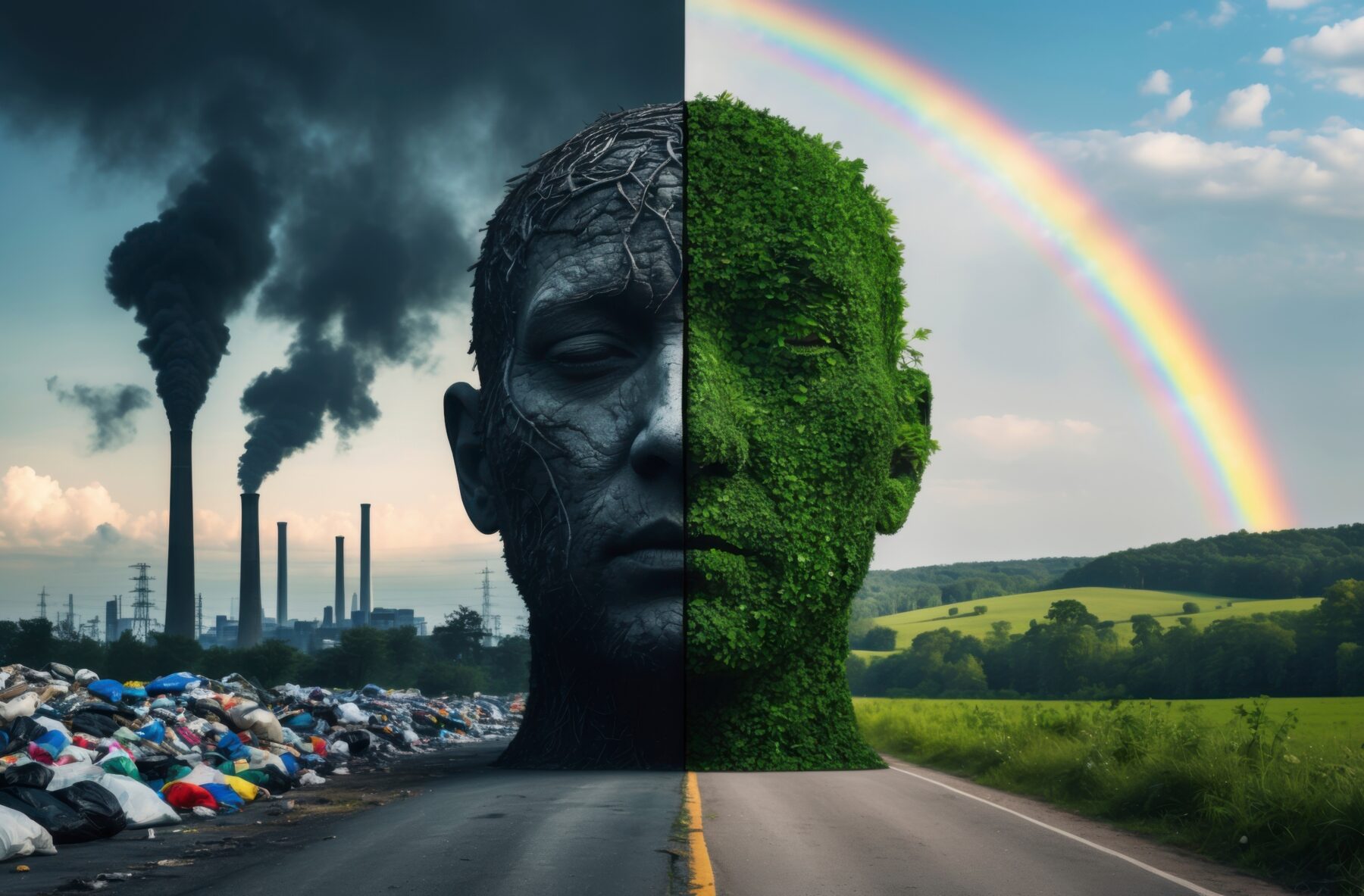
The resulting futures were remarkably diverse. Some imagined hopeful scenarios where technological breakthroughs help stabilise the climate, improve public health, or even eradicate disease. Others painted far darker pictures, including ecological disruption, increased cancer rates, intensified social inequality, and geopolitical conflict.
The research team analysed these futures across several dimensions, including technological change, societal impacts, networks of actors, and spatial scale. The findings highlight how expectations of climate intervention are shaped by culture, politics, geography, and lived experience, demonstrating that there is no single global narrative about what these technologies might mean.
By capturing this wide range of perspectives, the study offers timely insights for policymakers and researchers. It emphasises the need for inclusive, culturally sensitive approaches to climate governance at a critical moment in the global response to climate change.
The key takeaways, according to University of Cambridge Centre for Climate Repair’s Ramit Debnath are;
Public perspectives shape policy – Inclusive dialogue is critical for climate action.
We face a multiplicity of tomorrows – There’s no single future, only choices.
References
Benjamin K. Sovacool, Livia Fritz, Chad M. Baum, Ramit Debnath, Roberto Cantoni, Francesc Martori, A multiplicity of tomorrows from ‘giving the world cancer’ to ‘colonizing space’: Imagining 299 climate intervention futures from a foresight exercise across 44 focus groups, Environmental Science & Policy, Volume 178, 2026, 104367, ISSN 1462-9011, https://doi.org/10.1016/j.envsci.2026.104367.