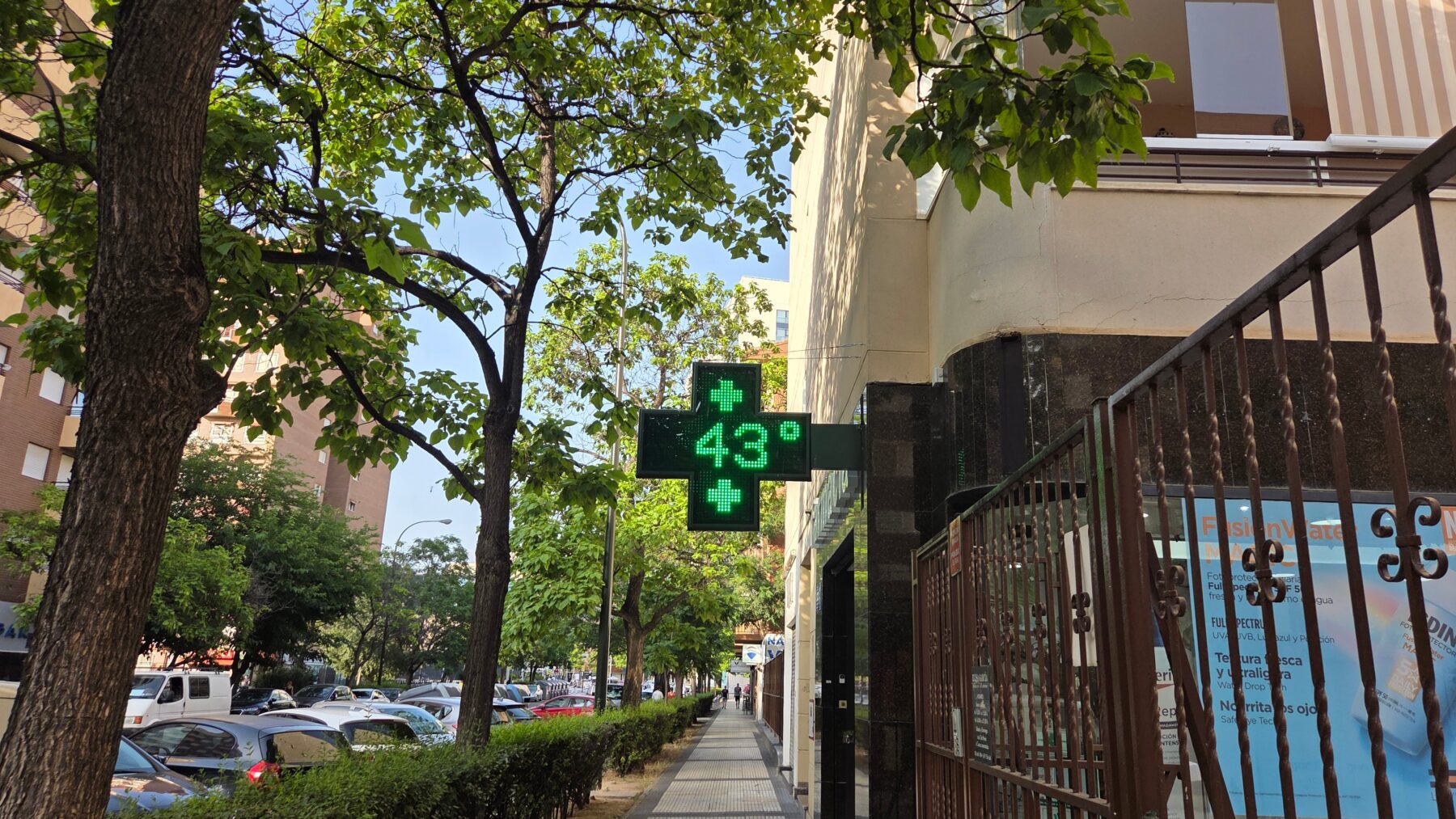
Put health systems at the centre of European heatwave plans
As climate change drives more frequent and intense periods of extreme heat, authors Professor of Development Economics, Innovation and Global Health, Chirantan Chatterjee, Bennett Doctoral Research Student, Indrajit Adhikari, and Director, Benjamin Sovacool wrote in a letter to Nature that effective adaptation requires not only environmental and emergency measures, but also stronger, more resilient healthcare systems that can protect vulnerable populations and manage growing heat-related health risks.
Extreme heat is increasingly becoming a persistent silent killer in Europe. This year’s heatwaves have shown that heat lacks the visible devastation of floods or storms, yet it quietly worsens cardiovascular, renal and mental-health risks (see Nature 655, 288–290; 2026). It also increases pressure on health-care systems.
Plans for dealing with heat in Europe still focus too narrowly on cooling technologies, building designs, school closures and urban greening. These approaches are necessary, but insufficient. Heat is first and foremost a shock to health systems. Its effects do not end when temperatures fall. Heatwaves increase hospital admissions and delay care needs, create workforce pressures and require extra investment in cooling, preparedness and resilient health infrastructure, with costs extending into future health budgets.
The lesson is clear. As the continent warms more than twice as fast as the global average, adaptation must include explicit health-financing plans. Heat responses need health-system stress tests, heat-related expenditure estimates and pre-funded local public-health responses. Defence and education are treated with fiscal seriousness. Heat-health resilience deserves the same.