There Is No One-Size-Fits-All Answer to the Energy Transition
As energy markets grapple with geopolitical tensions, climate impacts, and growing demand for electricity, the question of what constitutes true energy security has never been more urgent.
In an interview with Phoenix Weekly, Professor Benjamin Sovacool argues that energy security is about far more than securing fuel supplies. It encompasses affordability, access, environmental sustainability, and resilience, while raising difficult questions about how societies balance climate goals, economic growth, industrial competitiveness, and energy justice.
From the vulnerabilities exposed by the Strait of Hormuz crisis to the growing threat posed by climate change, Sovacool highlights the need for energy systems that are more diverse, distributed, and resilient. Yet he also cautions against simple narratives: crises do not automatically accelerate clean energy transitions, there is no universally applicable pathway to decarbonisation, and success depends on finding an effective balance between competing priorities.
The Strait of Hormuz has once again emerged as one of the most dangerous chokepoints in global energy markets. Member countries of the International Energy Agency have launched the largest emergency oil stock release in the agency’s history, yet market tensions have not subsided.
At the same time, protectionism and extreme weather continue to disrupt the global energy system. Oil and gas prices are becoming increasingly volatile, while power grids and energy infrastructure are being repeatedly tested by heatwaves, floods, droughts, and wildfires. The rapid expansion of artificial intelligence and data centers is driving up electricity demand, even as around 655 million people worldwide still lack access to electricity and roughly 2 billion lack access to clean cooking facilities.
Energy security today has therefore moved beyond the narrow question of securing supplies. It encompasses affordability, accessibility, reliability, and systemic resilience, while also raising the question of how the costs of the energy transition should be distributed.
Will an energy crisis automatically accelerate the transition to clean energy? Is traditional oil security gradually giving way to electricity security? When climate goals, economic growth, industrial competitiveness, and energy justice come into conflict, how should governments make trade-offs?
Crisis Does Not Automatically Produce an Energy Transition
Phoenix Weekly: The recent war involving Iran and the crisis surrounding the Strait of Hormuz have exposed what weaknesses in the global energy system? What lessons should countries draw from them?
Benjamin K. Sovacool: This crisis once again confirms a conclusion that was already clear half a century ago: the global energy system is extremely vulnerable. A 1982 book, The Vulnerable Power: Energy Strategies for National Security, argued that we had built an energy system that is capital-intensive, geographically extensive, and technologically complex, meaning that a disruption in one part of the system could potentially trigger a broader crisis.
The 2003 North American blackout is a classic example. After a single transmission line failed, deficiencies in monitoring, alarm, and coordination systems caused the problem to cascade into a blackout affecting approximately 50 million people.
Today, these risks have become even more serious. Some stem from war, geopolitics, and conflict; others come from climate-related shocks such as floods, wildfires, storm surges, and extreme heat.
But today’s crises also remind us that some energy systems can be made much safer.
Energy security has four dimensions;
- First is availability and security of supply.
- Second is affordability, equity, and access to energy services.
- Third is environmental governance, including climate change, land use, water pollution, and air pollution.
- Fourth is efficiency, resilience, and innovation—that is, making energy systems better able to withstand climate change and other shocks.
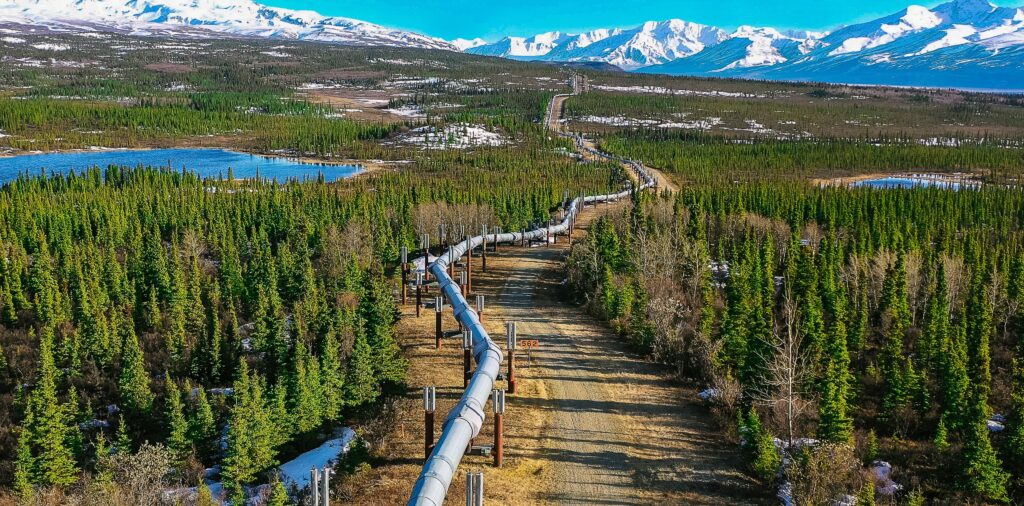
Fossil fuels have significant shortcomings across these dimensions. In terms of availability, roughly 80 percent of global fossil fuel resources are concentrated in about 15 countries. If any major supplier stops providing energy, it can create structural energy insecurity. For example, in October 2001, a rifle bullet struck the Trans-Alaska Pipeline, causing approximately 285,600 gallons of crude oil to spill and directly affecting crude oil prices in Australia and New Zealand.
Renewable energy has different geographic characteristics. Every country has access to some combination of sunlight, wind, and flowing water, and these resources are often located closer to where energy is consumed, making them considerably more secure.
Fossil fuels also carry substantial external costs that are not fully reflected in market prices, particularly in terms of affordability and environmental governance. In many markets today, the costs of wind and solar power have fallen below those of coal, oil, and liquefied natural gas (LNG). Although LNG is often regarded as a relatively clean fuel, methane leakage can occur during production, liquefaction, transportation, and use, meaning that its lifecycle emissions can exceed those of conventional natural gas supplies.
In terms of resilience, renewable energy systems are often smaller, more modular, and less dependent on continuous fuel transportation. Conventional coal-fired power plants require continuous procurement and transportation of coal, with fuel costs accounting for roughly 80 percent of operating costs. Solar power, by contrast, requires almost no fuel input, with fuel costs accounting for less than 1 percent of total costs. Solar systems do require maintenance—for example, managing inverters and removing dust—but many failures can be repaired with relatively simple tools. Combined-cycle gas turbines are much more complex and face a wider range of risks.
The Iran crisis therefore not only exposes the vulnerability of centralized, fossil-fuel-dependent energy systems; it also demonstrates that distributed renewable energy, energy efficiency, and more resilient infrastructure can provide a relatively secure alternative pathway.
Phoenix Weekly: If the current energy crisis continues, which countries would be most severely affected? And which countries are likely to accelerate their clean energy transitions?
Benjamin K. Sovacool: In reality, all countries are vulnerable. The Russia-Ukraine war already demonstrated that when a crisis occurs, governments initially focus on securing energy supplies and controlling prices rather than immediately moving away from fossil fuels. At the time, Europe increased its short-term use of coal and domestic natural gas.
The same is true of the Strait of Hormuz crisis. The most immediate response has been for countries to release strategic oil reserves in an effort to increase supply and reduce prices.
Crises generally push governments to seek energy from whatever sources are available, regardless of whether those sources are clean or whether they come from domestic or foreign suppliers. Therefore, an energy crisis does not automatically produce a clean energy transition.
If the crisis persists, higher natural gas prices will increasingly feed into electricity and heating costs. Natural gas still accounts for a significant share of power generation in parts of Europe and in New England in the United States. The effects may be less visible during the summer, but the situation could become considerably more serious during the coming winter.
Natural gas is also an important feedstock for products such as fertilizer, so price changes could spill over into the food system, creating simultaneous pressures on electricity, heating, and related commodity prices. Some low-carbon technologies that rely on natural gas in their production processes, such as hydrogen, could also face worsening economics.
Countries will respond differently. China and South Korea, for example, continue to strengthen renewable energy policies, while other countries have experienced policy reversals or even backsliding. Some European countries have increased their use of domestic coal again.
Ultimately, the type of energy transition produced by a crisis is not determined by the crisis itself. It depends on the energy policies adopted by individual countries.
Climate Change Is the Greatest Systemic Risk
Phoenix Weekly: Extreme weather is increasingly putting pressure on energy systems. Has climate risk become the most serious challenge to energy security?
Benjamin K. Sovacool: This is not a new challenge. People often think of climate risks as something that will occur in the future, but the impacts are already happening. Global average temperatures have risen by approximately 1.3°C above pre-industrial levels over the long term, and some recent individual years have exceeded 1.5°C. However, the 1.5°C threshold under the Paris Agreement refers to a long-term average level of warming over decades, rather than the temperature recorded in a single year.
Extreme weather will become more severe in the future. Energy systems are highly dependent on water resources. Thermal power, nuclear power, natural gas, and hydropower facilities all require reliable water supplies. At the same time, much energy infrastructure is concentrated in coastal areas, making it particularly vulnerable to storm surges, flooding, and sea-level rise.
Climate change is therefore a risk multiplier. It affects not only power generation but also transmission, water supplies, energy transportation, and the energy system as a whole. Roads, pipelines, electricity lines, power plants, and distribution systems in coastal cities are particularly exposed.
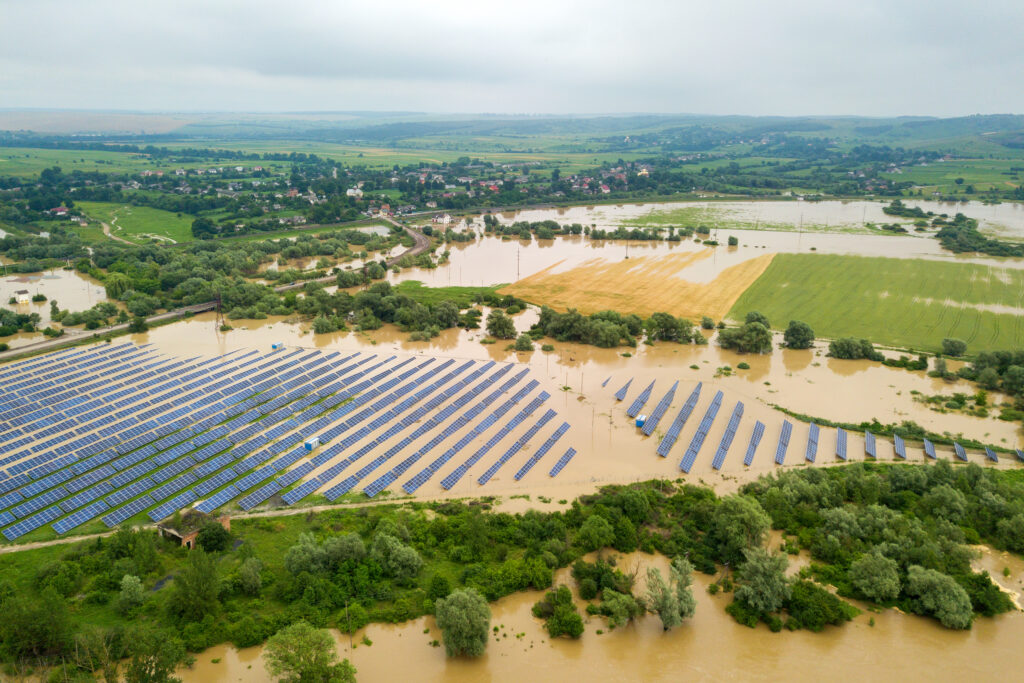
Research suggests that without effective adaptation measures, annual economic losses from coastal flooding and storm surges alone could approach $100 trillion by the end of this century. Research by Harvard economists Adrien Bilal and Diego Känzig has even suggested that each additional 1°C of global warming could reduce global economic output by more than 20%.
The defining characteristic of climate change is that it is not a temporary shock. It is a persistent and potentially escalating risk.
Phoenix Weekly: Looking ahead, what will pose the greatest threat to energy security: war, geopolitics, protectionism, or extreme weather?
Benjamin K. Sovacool: In the long term, climate change remains the greatest systemic risk. Even if all emissions were halted today, the climate system’s inertia means that we would face increasingly difficult climate impacts later this century, and we may already have crossed some tipping points.
In the near term, however, the greatest risks come from geopolitics and protectionism.
The United States has once again withdrawn from the Paris Agreement and announced that it would no longer participate in the Intergovernmental Panel on Climate Change (IPCC). At the same time, some countries have imposed tariffs and other protectionist measures on solar panels, batteries, and electric vehicles.
Chinese battery-electric vehicles and solar panels are inexpensive enough that some countries have felt compelled to erect trade barriers to protect their domestic industries. This is an important achievement for China, but it also creates new tensions. If affordability were the only consideration, countries should adopt the least expensive technologies available. But concerns over employment, industrial competitiveness, and supply-chain security are encouraging many governments to erect trade barriers.
The international community is therefore becoming more fragmented, with interests increasingly divided along regional lines. This will make issues that should ideally be addressed through cooperation—including the Paris Agreement, the Global Plastics Treaty, the United Nations Convention on the Law of the Sea, and trade policy—more complicated, potentially generating further conflict and competition.
Over the next five to ten years, geopolitical competition and populism are likely to intensify this uncertainty.
China’s Experience Deserves Recognition and Respect
Phoenix Weekly: China has become a global leader in solar panels, batteries, electric vehicles, and energy storage. What opportunities does China’s development create for the rest of the world?
Benjamin K. Sovacool: China’s achievements in the energy transition deserve to be celebrated. Since announcing its dual-carbon goals, China has continued to invest heavily in manufacturing and has achieved remarkable growth in just two decades. This deserves respect and recognition.
The lesson from China’s development model is that the government has consistently prioritized infrastructure, technological innovation, and manufacturing capacity while maintaining policy continuity. This coordinated development model offers a potentially valuable blueprint for many countries that want to promote economic development while taking climate change seriously.
Phoenix Weekly: Many observers argue that China’s advantage is not simply low-cost manufacturing, but its ability to provide integrated solutions covering manufacturing, project development, financing, and system integration. Does this represent a new model of global clean-energy competition?
Benjamin K. Sovacool: Yes. I think it can be described as a form of polycentric governance—the ability of an actor to operate across different scales and contexts while managing different types of governance challenges.
China is doing precisely this. It combines project management, finance, innovation, and system integration; coordinates development at the city, provincial, and regional levels; uses five-year plans to coordinate development from the top down; and mobilizes governments, state-owned enterprises, private companies, consumers, and even environmental organizations.
This combination represents a distinctive model of global clean-energy competition.

Phoenix Weekly: In terms of energy reform and climate action, where do you see the greatest potential for cooperation between China and the United States?
Benjamin K. Sovacool: International climate governance is currently facing a leadership vacuum. The United States is no longer a stable climate leader. After changes of administration between the two parties, policies are often reversed, and the United States has performed poorly in maintaining long-term climate and energy strategies.
The United Kingdom has faced similar problems. Policies involving carbon capture and storage, nuclear power, net-zero homes, and offshore wind have repeatedly been canceled and restarted. The frequency of policy reversals and project cancellations is second only to that of the United States, reflecting the weakness and instability of its energy and climate leadership.
Over the past 30 years, China’s achievements in infrastructure development, clean energy innovation, and climate action demonstrate that it has the capacity to become a global climate leader.
I would encourage China to fill this leadership vacuum. Even amid strategic competition between China and the United States, there remains considerable room for cooperation in areas such as power-system modernization, technological innovation, and global climate governance.
The Future Challenge Is Access to Electricity
Phoenix Weekly: The rapid development of artificial intelligence and clean-energy technologies is driving up electricity demand. Is the focus of energy security shifting from oil security toward electricity security?
Benjamin K. Sovacool: There is a considerable amount of hype surrounding this idea. Some people use the concept of “electrostates,” but no country can rely exclusively on electricity. Different end uses require different forms of energy.
Aviation, long-distance shipping, and some forms of heavy transport will continue to depend on liquid fuels for the foreseeable future. Full electrification is not realistic in all sectors. Railways, road freight, and shipping networks do not always overlap with electricity grids, and there are no electricity grids in open oceans.
Current hydrogen and energy-storage technologies are also insufficient to support large vessels traveling long distances entirely on electricity. Nevertheless, there remains substantial potential for electrification in residential, commercial, and some industrial sectors.
The real question is not simply whether electricity is reliable, but whether electricity is accessible to everyone.
As of 2026, around 655 million people worldwide still lack access to electricity, while roughly 2 billion people rely on polluting solid fuels for cooking. Millions of women and children continue to live within traditional energy systems, cooking over open fires or lacking access to modern electricity grids. They have never experienced many of the conveniences that people in electrified societies take for granted, such as electric showers, television, and internet entertainment. They are therefore excluded from the modern energy system.
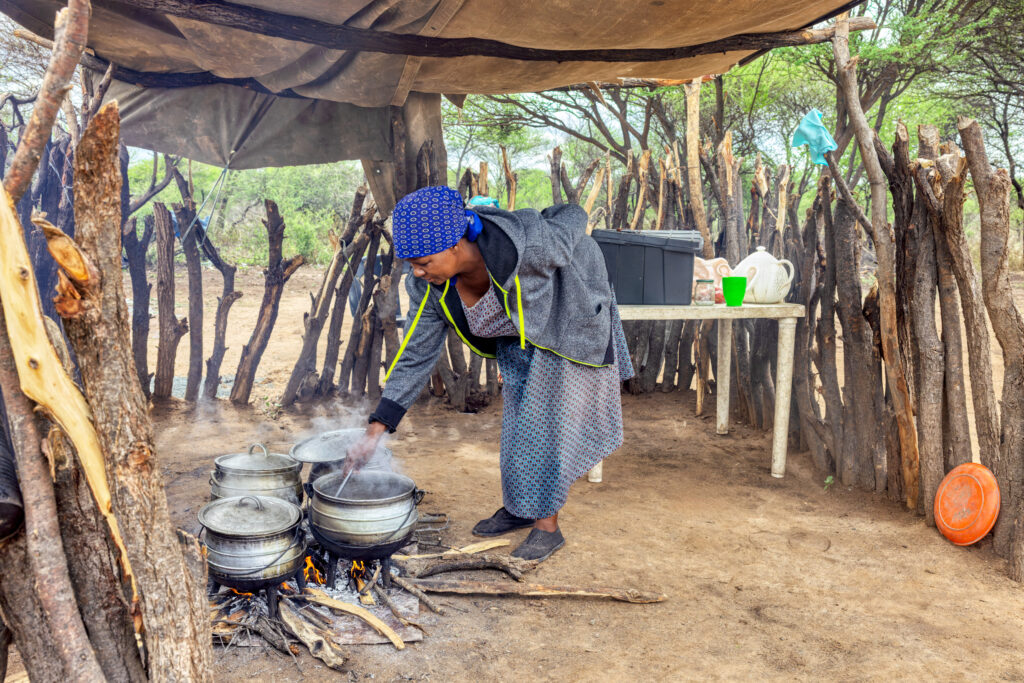
More importantly, this problem is not without a solution. According to estimates by the International Energy Agency, achieving universal electricity access and clean cooking would require only around $45 billion in annual investment—less than 2 percent of global clean-energy investment.
If governments are willing to invest, improving electricity access could become one of the highest-return public policy interventions available.
Phoenix Weekly: Many countries face layers of domestic obstacles when pursuing energy transitions while remaining highly dependent on Middle Eastern oil. How should we evaluate whether a country’s energy transition policies and actions are successful?
Benjamin K. Sovacool: We can still use the four dimensions discussed earlier: first, security of supply and energy availability; second, affordability, equity, and access; third, sustainability, including water resources, air quality, climate mitigation, and adaptive capacity; and fourth, resilience and efficiency—that is, whether an energy system can recover quickly from shocks while continuing to operate efficiently.
Our research has developed an energy security risk index to assess different countries. The first version focused on the United States and examined nearly four decades of change between 1970 and 2007.
During this period, the United States established the Department of Energy, expanded domestic oil and gas development, introduced building codes and vehicle fuel-economy standards, developed wind and solar power, modernized the electricity grid, and invested in energy storage and pumped-storage hydropower.
If we looked only at the policy checklist, this might appear to be a successful energy-transition pathway. But the assessment produced a surprising result: U.S. energy security did not improve comprehensively.
Energy prices increased, dependence on foreign energy grew, energy independence declined, and greenhouse gas emissions continued to rise. Only two indicators showed clear improvement during this period: sulfur dioxide emissions and energy efficiency.
We subsequently applied the same methodology to around 20 countries, including Japan, and found similar patterns.
The reason is that energy security is a multidimensional balancing problem. There are always trade-offs among energy prices, import dependence, environmental impacts, and system resilience. Cheap energy is not necessarily sustainable, and readily available energy is not necessarily resilient over the long term.
Therefore, evaluating whether a country’s energy transition is successful does not mean searching for a so-called “perfect answer.” Instead, we should examine whether the country has achieved a reasonable balance among competing objectives.
There is no absolutely secure energy system, nor is there a single transition model that works for every country.
More specifically, we need to look at practical indicators: Is the electricity system becoming cleaner and more reliable? Is building efficiency improving? Is industrial decarbonization making progress?
Over the past two decades, global decarbonization has progressed relatively quickly in the power sector and private transportation. But aviation, shipping, heavy industry, and agriculture remain among the most difficult sectors to decarbonize.
Phoenix Weekly: Governments must simultaneously balance climate goals, economic growth, energy equity, and additional electricity demand driven by AI. With limited budgets, where should they prioritize investment?
Benjamin K. Sovacool: The more criteria we have, the more difficult decision-making becomes. Energy security is highly geographic, dynamic, and context-specific. There is no one-size-fits-all answer.
Countries are at different stages of development and possess different resource endowments. African countries, for example, may prioritize electricity access and reducing energy poverty. Russia may prioritize natural gas, Saudi Arabia oil, and the United States oil, natural gas, and energy exports.
Nevertheless, energy efficiency and demand-side management remain among the most worthwhile areas for investment.
Research suggests that every dollar invested in energy efficiency could generate as much as $40 in broader benefits, including improvements in health, resilience, and productivity. The IPCC has indicated that demand-side measures in buildings, transportation, food systems, and other sectors could reduce global greenhouse gas emissions by 40–70 percent by 2050 without compromising basic living standards.
Improving energy efficiency is effectively like developing a vast and invisible energy resource.
Everyday waste illustrates the potential. Lights that remain on unnecessarily, air-conditioning set too low, and appliances that are left running all consume energy without necessarily providing proportional benefits.
One study estimated that if all U.S. drivers maintained appropriate tire pressure, the resulting fuel savings would be sufficient to avoid extracting additional oil in Alaska.
More importantly, the benefits of energy efficiency accumulate over time and become increasingly significant as improvements are deployed at scale.
Japan provides another illustrative example. Electronic features such as heated toilet seats improve everyday comfort, but according to commonly cited estimates, their aggregate electricity consumption nationwide is equivalent to the output of roughly six nuclear reactors.
This reminds us that while pursuing higher living standards, we should also ask: Is every increase in energy demand truly necessary? Which forms of demand can actually be reduced?
Phoenix Weekly: When energy prices rise, ordinary households often feel the pressure through electricity, gas, and water bills as well as transportation costs. How should governments protect vulnerable groups during the energy transition?
Benjamin K. Sovacool: Vulnerable groups are often the most exposed to rising energy prices, while energy markets themselves do not automatically protect them. Governments therefore need to intervene through social protection policies.
The UK’s Warm Front scheme is a good example. It helped approximately 2.3 million households improve heating conditions and energy efficiency, including many pensioners.
In the United States, the Weatherization Assistance Program and the Low Income Home Energy Assistance Program have helped low-income households improve residential energy efficiency and reduce energy costs.
These programs have included replacing boilers, installing heat pumps, adding insulation, and upgrading windows, while combining technical improvements with guidance on energy use.
Participating households have not only improved the energy resilience of their homes and their health outcomes, but also gained greater control over their energy consumption, reducing the anxiety and stigma associated with energy burdens.
However, such programs depend on public funding. The Warm Front scheme involved approximately £2.9 billion in investment, while the two U.S. programs also require billions of dollars in funding each year.
Governments must use public investment to address market failures and ensure that the energy transition does not exacerbate social inequality.
As countries navigate a period defined by geopolitical uncertainty, climate disruption and technological change, Prof. Sovacool’s message is clear: energy transitions are as much about justice, resilience and governance as they are about technology. There is no single pathway that works everywhere, but successful transitions will be those that balance security, affordability, sustainability and equity while remaining responsive to local realities.